


You probably don’t think much about your wiring until something flickers, sparks, or suddenly stops working. Electrical problems often build quietly in the background, which makes them easy to ignore and expensive to regret. If your home is older, recently renovated, or just acting a little weird, paying attention early can save you from safety risks, damaged appliances, and a very bad day involving a tripped breaker and a flashlight.
Outlets Feel Warm or Show Burn Marks
An outlet should never feel hot to the touch. Warmth, scorch marks, discoloration, or a faint burning smell can all indicate dangerous heat buildup behind the wall.
This can happen because of loose wiring, overloaded circuits, damaged receptacles, or worn-out components. Sometimes you’ll notice plugs slipping out too easily, which usually means the outlet has deteriorated with age.
That worn outlet by your bed or behind your TV may seem minor, but it can create arcing. Arcing happens when electricity jumps through gaps, producing heat and increasing fire risk.
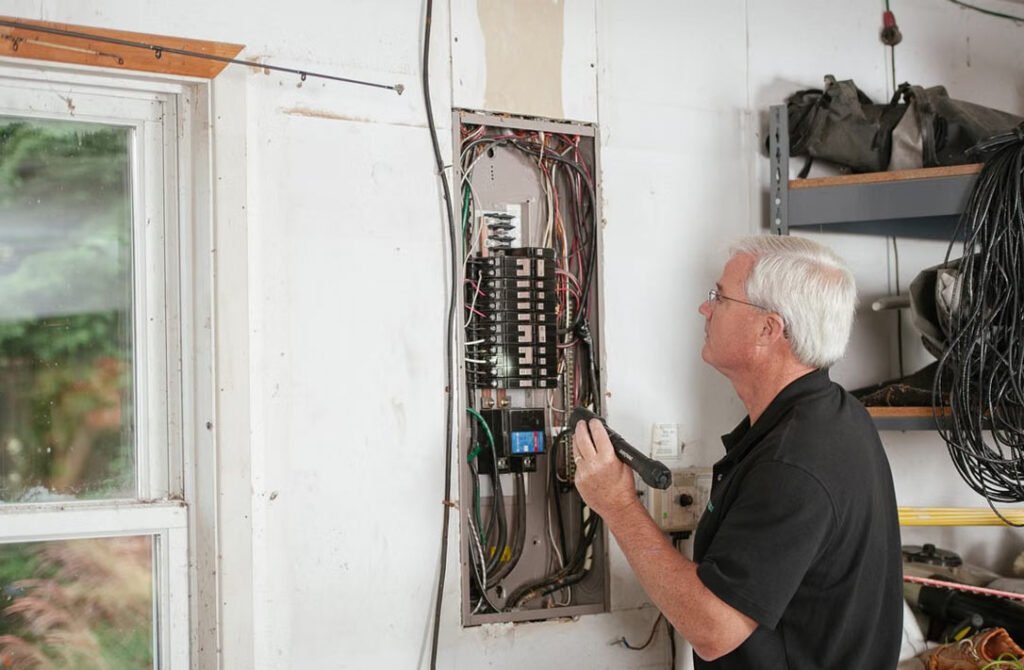
If you spot black marks or melted plastic, stop using that outlet immediately. This is one of the clearest moments to schedule an electrical safety inspection so a professional can check the outlet, wiring, and surrounding circuit before the damage spreads.
Your Circuit Breaker Trips More Than It Should
A circuit breaker is supposed to trip when it detects overloads or faults. It’s doing its job, but if it happens often, your electrical system may be waving a bright red flag.
Occasional trips can happen when you run too many high-demand appliances at once. Repeated trips, though, can point to overloaded circuits, short circuits, faulty outlets, or outdated panels.
If your kitchen breaker flips whenever the microwave and toaster run together, that’s not just annoying. It can mean the circuit isn’t handling modern power demands. Homes built decades ago often weren’t designed for gaming PCs, air fryers, giant TVs, and enough chargers to power a small command center.
When breaker issues become routine, it’s smart to have a licensed electrician investigate rather than playing the reset-and-hope game.
Your Lights Flicker, Dim, or Buzz
Flickering lights aren’t always dramatic enough for a horror movie, but they can still signal trouble. If one bulb flickers, the problem may be simple. If several lights dim or buzz, especially when appliances start up, your wiring or panel may need attention.
Loose connections are one common cause. Voltage fluctuations are another. Both can affect performance and safety. Dimming lights when the HVAC kicks on may suggest your system is struggling to distribute power properly.
Buzzing switches or fixtures deserve special attention. Electricity should move quietly. Strange sounds often mean a poor connection or a faulty component creating heat where it shouldn’t.
You don’t need to panic over one blinking bulb, but repeated patterns across your home shouldn’t get brushed off as “just one of those things.”
You Rely Heavily on Extension Cords and Power Strips
Power strips are useful. Extension cords are handy. Neither is meant to become permanent infrastructure.
If your home doesn’t have enough outlets where you need them, or you’re daisy-chaining surge protectors like a puzzle gone wrong, your setup may be putting extra strain on the system.
This comes up often in older bedrooms, home offices, and living rooms. You’ve got a monitor, laptop, phone charger, lamp, speaker, and maybe a mini fridge if priorities are in perfect order. One wall outlet ends up doing far more work than it was built for.
Overusing temporary solutions can increase overheating risk and hide the fact that your home needs more circuits or upgraded receptacles. A properly planned electrical system should fit your real life, not force you into a maze of cords.
Your Home Is Older and Hasn’t Been Evaluated in Years
Older homes have character. They also sometimes have wiring that belongs in a museum exhibit rather than inside your walls.
If your house is 30, 40, or 50 years old and hasn’t had a professional electrical review in a long time, there’s a good chance parts of the system are outdated. That can include ungrounded outlets, aging panels, aluminum wiring, or old components that no longer meet current safety standards.
Even if everything seems to work, hidden wear can build over time. Insulation degrades. Connections loosen. Panels become undersized for modern demand.
A lot of homeowners assume no visible issue means no real issue. Electrical systems don’t always offer that courtesy. Preventive inspections matter because many dangerous faults stay hidden until they become expensive, disruptive, or genuinely hazardous.
You’ve Recently Renovated or Added Major Appliances
Renovations can improve your home and increase power demand at the same time. New appliances, added lighting, electric vehicle chargers, workshop equipment, or a finished basement all place extra load on your system.
If the electrical work wasn’t properly designed, permitted, or updated to match the new layout, problems can appear later. Maybe your new dishwasher shares a circuit with something it shouldn’t. Maybe the panel is maxed out. Maybe a previous contractor cut corners behind fresh drywall, which is about as comforting as it sounds.
Big changes should come with electrical planning, not just cosmetic upgrades. The same goes for adding hot tubs, HVAC equipment, or backup power systems.
When your home changes, your electrical system needs to keep up. If it doesn’t, small inconveniences can turn into reliability and safety issues pretty quickly.
You Notice Mild Shocks or Strange Electrical Behavior
A tiny zap when plugging something in may seem harmless, but it can point to grounding problems, faulty wiring, or damaged devices. Electricity should not be giving you surprise handshakes.
Other strange behavior matters too:
– Switches that don’t work consistently
– Outlets that stop and start randomly
– Lights changing brightness for no clear reason
– GFCI outlets tripping repeatedly
– Appliances acting erratically on certain circuits
Some of these issues come from a single faulty device. Others trace back to broader system problems. The challenge is that electrical symptoms often overlap, which makes DIY diagnosis risky.
If you’re noticing patterns rather than one isolated glitch, it’s worth having the system checked by someone who can test circuits, verify grounding, and identify what’s happening behind the scenes.
