


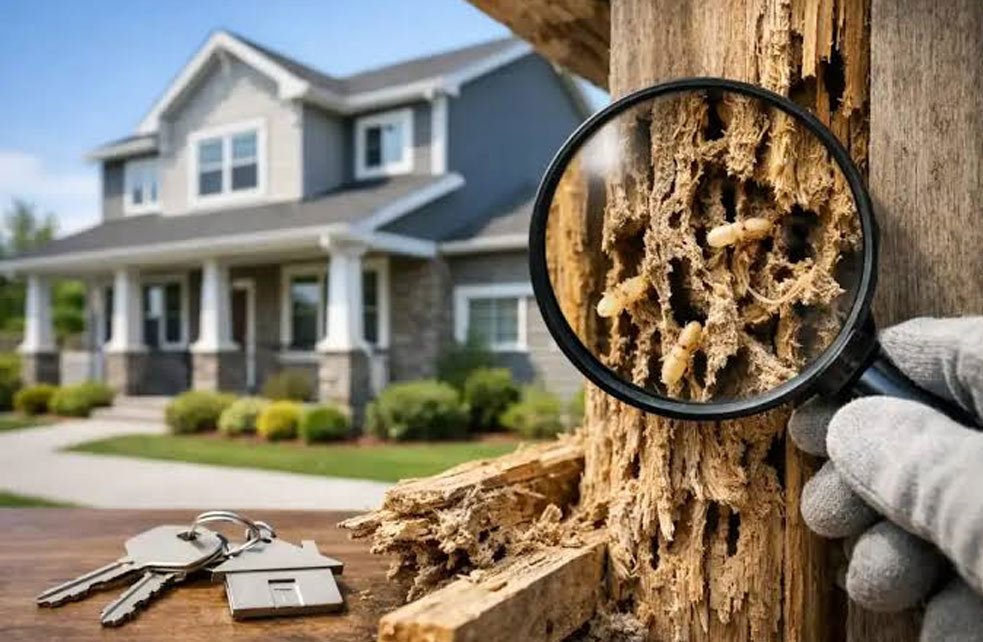
Termites are among the most destructive pests that can affect a property because they can remain hidden while continuously feeding on wood and other cellulose-based materials. Unlike pests that are easily noticed moving across floors or countertops, termites may spend months or even years inside walls, beneath floors, around foundations, within crawl spaces, or inside wooden structures before obvious signs appear. By the time property owners notice damaged wood, discarded wings, mud tubes, or other evidence, the infestation may already have affected important parts of the building.
Effective termite control requires more than treating visible insects. A comprehensive strategy begins with a detailed inspection to identify termite activity, determine potential entry points, evaluate moisture conditions, and locate areas vulnerable to further damage. Professional treatment can then be selected according to the termite species, construction of the property, severity of the infestation, and environmental conditions. Combining treatment with prevention and regular monitoring provides a stronger approach to protecting the structure over the long term.
Understanding the Threat Termites Create
Termites feed on cellulose, which is found in wood, paper, cardboard, and other plant-based materials. Because buildings contain large amounts of structural wood and other cellulose materials, they can provide an abundant food source for termite colonies. Subterranean termites may travel through soil and protected mud tubes to reach wooden structures, while other species can establish colonies directly within wood. The hidden nature of termite activity makes these pests particularly concerning. A property can appear completely normal from the outside while termites gradually weaken floor joists, wall framing, beams, subflooring, and other components. Damage may begin in areas that are difficult to access, allowing the infestation to progress without immediate detection. The severity of the problem depends on factors such as the termite species, colony size, access to food, moisture conditions, length of infestation, and parts of the structure being affected. Early professional evaluation can help reduce the opportunity for extensive damage to develop.
Recognizing Early Signs of Termite Activity
Property owners should learn the common signs associated with termite activity so they can respond quickly. One of the most noticeable signs is the appearance of winged termites or piles of discarded wings. Reproductive termites may leave established colonies and gather around windows, doors, lights, or other areas where they become visible. Mud tubes are another important warning sign, particularly for subterranean termites. These narrow structures can appear along foundations, exterior walls, crawl spaces, or other surfaces and provide termites with protected routes between their underground colony and food source. Damaged wood can also provide clues. Wood affected by termites may sound hollow when tapped, appear blistered, or show unusual surface damage. Floors may become uneven, doors or windows may become difficult to operate, and trim or other wooden components may show deterioration. Not every damaged wooden surface is necessarily the result of termites. Water damage, fungal decay, carpenter ants, and normal aging can create similar symptoms. Professional inspection is therefore important for accurately identifying the source.
Why Termites Are Difficult to Detect
Termites are particularly challenging because they avoid open exposure whenever possible. Subterranean species can travel underground or through enclosed mud tubes, while termites inside wooden structures can remain concealed within the material they are consuming. This means that visible evidence may represent only a small portion of the infestation. A property owner might notice one damaged beam or a few wings while a larger colony remains hidden elsewhere.Termites also do not always create obvious visual damage immediately. Internal galleries can develop inside wood while the outer surface remains relatively intact. Without professional inspection, it may be difficult to determine how far the damage has progressed. For this reason, regular inspections are valuable even when no obvious termite activity is present. Preventive inspections can identify vulnerabilities and early evidence before significant structural problems develop.
The Importance of a Professional Termite Inspection
A professional inspection provides an opportunity to examine both visible and concealed areas of the property. Technicians may inspect foundations, crawl spaces, basements, attics, structural wood, floor systems, exterior walls, moisture-prone locations, and potential entry points. They can look for mud tubes, damaged wood, wings, droppings, moisture conditions, cracks, wood-to-soil contact, and other evidence. The inspection can also help determine whether activity appears current or whether the damage is older and no longer active.Identifying the termite species is another important part of the process. Different termites have different nesting behaviors and treatment considerations, so accurate identification can help professionals select a more appropriate control strategy.A thorough inspection should also consider the property’s surrounding environment. Landscaping, drainage, irrigation, firewood, mulch, and other exterior conditions can influence termite risk.
How Moisture Can Increase Termite Risk
Moisture is an important factor in many termite problems. Leaking pipes, poor drainage, damaged gutters, condensation, irrigation systems, and damp crawl spaces can create conditions that support termite activity and wood deterioration.Property owners should repair plumbing leaks promptly and ensure that water drains away from the structure appropriately. Gutters and downspouts should be maintained so that rainwater does not remain near foundations.Crawl spaces and other enclosed areas should also be inspected for excessive moisture. Improving ventilation and correcting drainage problems can reduce environmental conditions that may contribute to termite activity.Moisture control does not eliminate termites by itself, but it can be an important part of an integrated prevention strategy.
Protecting Wooden Structures
Wooden components should be maintained carefully because they provide a primary food source for termites. Damaged, decaying, or unnecessarily exposed wood should be addressed before it becomes a larger vulnerability.Wood should generally be kept appropriately separated from direct soil contact where construction allows. Firewood, lumber, cardboard, and other cellulose-rich materials should be stored away from the structure rather than directly against exterior walls.Decks, fences, sheds, landscaping structures, and other outdoor wooden components should also be inspected periodically. Termite activity in these areas may create opportunities for pests to move toward the main building.Professional inspections can help determine whether these structures require attention and whether conditions around them are increasing termite risk.
Professional Termite Treatment Methods
Professional termite treatment can involve several approaches depending on the property and infestation. Treatment may include liquid termiticides, baiting systems, localized treatments, soil applications, or other professional methods designed to target termite activity.Liquid treatments can establish treated zones around areas where termites are likely to enter. Bait systems can use termite-attractive materials to help target colonies over time. Localized treatment may be appropriate when activity is concentrated in specific areas.The correct method should be determined after inspection rather than selected randomly. A treatment that works well for one termite situation may not be appropriate for another.Professional technicians can evaluate the structure and explain why a particular treatment is recommended. They can also provide preparation instructions and explain what customers should expect during and after service.
Why DIY Termite Treatment Can Be Risky
Homeowners may be tempted to purchase termite products and treat visible signs themselves. While some consumer products may be useful for limited situations, established termite infestations can be difficult to locate and eliminate without professional expertise.Treating only the damaged wood may leave the colony untouched. Similarly, spraying visible insects does not necessarily address termites traveling underground or hidden inside structural components.Incorrect pesticide use can also create unnecessary risks. Products should always be used according to their labels, and professional assistance is especially valuable when termites may be affecting structural components of a building.If an infestation is suspected, professional inspection is generally a better starting point than attempting multiple treatments without knowing the source of the problem.
Preparing for Professional Termite Treatment
Preparation requirements depend on the treatment method and property conditions. Customers may need to provide access to crawl spaces, garages, basements, exterior walls, storage areas, or other locations where technicians need to inspect or treat.Stored materials may need to be moved away from foundations or treatment areas so that technicians can access the structure properly. Certain landscaping or exterior obstacles may also need attention.Following preparation instructions carefully can help technicians complete the work more efficiently and provide better access to affected areas. Customers should ask questions before treatment if they are uncertain about how furniture, stored items, pets, or other belongings should be handled.
Preventing Future Termite Problems
Prevention is an important part of long-term termite management. Property owners should monitor moisture, maintain gutters, repair leaks, improve drainage, and avoid creating unnecessary contact between soil and structural wood.Landscaping should also be maintained so that foundations remain accessible for inspection. Excessive mulch, dense vegetation, stored lumber, and debris against exterior walls can make it harder to identify termite activity and may create favorable conditions.Regular inspection of wooden structures can also help identify problems early. If a property has a history of termite activity, scheduled professional inspections may provide an additional layer of protection.
Termite Control for Residential Properties
Homes can be vulnerable to termites because they contain extensive wooden framing and may have multiple concealed areas where insects can remain undetected. Basements, crawl spaces, garages, foundations, decks, and exterior wooden structures should be included in routine inspections.Homeowners should pay attention to unexplained wood damage, discarded wings, mud tubes, and changes in doors or floors. These signs do not always confirm an active infestation, but they provide good reasons to seek professional evaluation.A residential termite management plan can combine treatment with recommendations for moisture reduction, structural maintenance, landscaping adjustments, and regular inspections.
Protecting Commercial Buildings
Commercial properties can also experience termite problems, particularly when they contain wooden structures, landscaping features, storage materials, or moisture-prone areas. Offices, warehouses, retail buildings, restaurants, apartment communities, and other facilities may all require termite inspections.Commercial termite management should be proactive because structural damage can create operational disruptions and expensive repair requirements. Regular inspections can help property managers identify activity before it becomes extensive.A professional service plan may include inspections, monitoring, treatment, documentation, and preventive recommendations. This allows property owners and managers to maintain better awareness of structural pest risks.
Monitoring After Treatment
Termite treatment does not always mean that all signs disappear immediately. Depending on the treatment method, colony behavior, and infestation conditions, continued monitoring may be necessary.
Follow-up inspections can help determine whether termite activity has decreased and whether additional treatment is required. Monitoring may also reveal new activity or environmental conditions that need correction.Property owners should report new signs promptly. Fresh mud tubes, discarded wings, damaged wood, or other suspicious evidence should be professionally evaluated rather than ignored.Ongoing monitoring is especially valuable for properties with previous infestations because eliminating one problem does not necessarily make the structure permanently immune to future termite activity.
The Value of Professional Termite Management
Professional termite management focuses on the entire problem rather than only the visible evidence. Technicians can identify hidden activity, determine likely entry routes, assess environmental conditions, recommend appropriate treatment, and establish a prevention strategy.This comprehensive approach can provide greater peace of mind than repeatedly treating isolated signs. It also allows property owners to understand what conditions may have contributed to the infestation and which improvements can help reduce future risk.Professional service can be especially important when termites are suspected near structural components. Early intervention may help prevent minor damage from developing into a more expensive repair project.
When to Schedule an Inspection
A termite inspection should be considered when there are visible signs of activity, unexplained wood damage, recurring moisture problems, or a history of termite infestations. Inspections may also be valuable as part of routine property maintenance.New construction, renovations, landscaping changes, drainage problems, and additions to a building can create new conditions that should be evaluated. Regular inspections allow professionals to identify changes before they become significant problems.Waiting until structural damage is obvious can result in more complicated treatment and repair requirements. Taking action when warning signs first appear is generally a more practical approach.
Conclusion
Termites can cause serious damage while remaining hidden inside and around a property, making early detection and professional management extremely important. Recognizing warning signs, maintaining dry conditions, protecting wooden structures, managing landscaping, and scheduling regular inspections can all help reduce termite risks.
Professional termite control combines inspection, identification, targeted treatment, prevention, and follow-up monitoring to address active infestations and reduce the possibility of recurring problems. Instead of relying on surface treatments or attempting to manage hidden colonies without professional guidance, property owners can benefit from a strategy designed around the specific structure and conditions involved.Whether termites are suspected in a home, commercial building, crawl space, foundation, deck, or other wooden structure, timely professional attention can help limit damage and protect the property’s long-term condition. With proper treatment, ongoing maintenance, and regular monitoring, homeowners and businesses can take meaningful steps toward keeping termite activity under control and preserving the strength and value of their property.
