


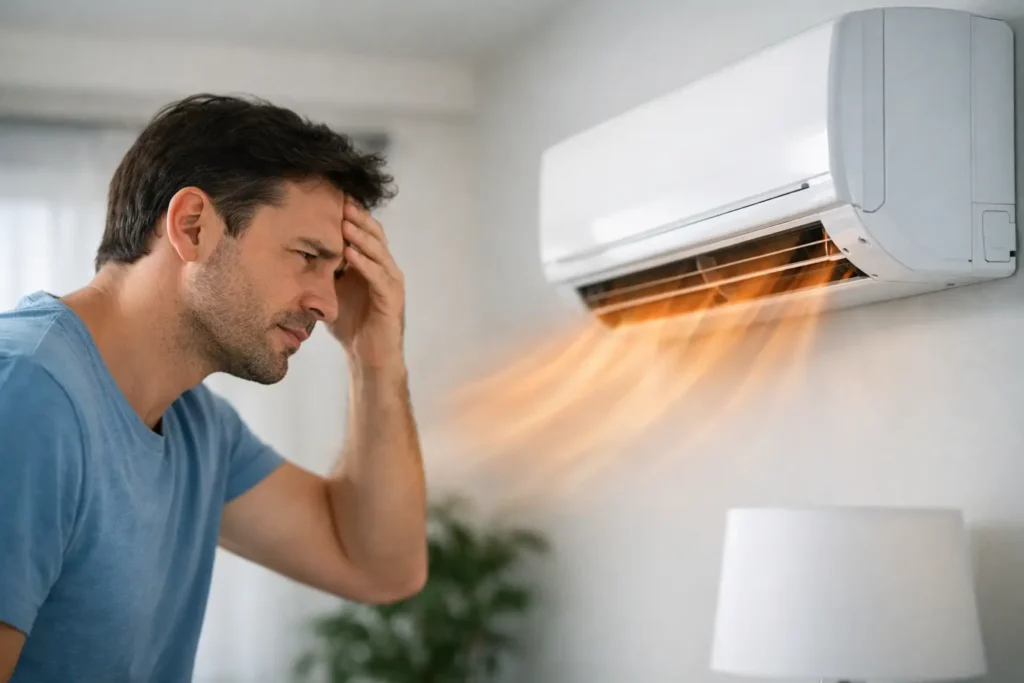
In desert summers, an air conditioner does more than cool rooms. It manages high indoor heat gain, filters dust after monsoon outflows, and runs for long stretches without a break. When that system starts pushing lukewarm air at 4 p.m., the house heats quickly, humidity creeps up, and everyone notices. Before panic sets in, a methodical, safety-first check can reveal whether the problem is a simple airflow restriction or a condition that requires a licensed technician.
This guide focuses on recognizable symptoms, what they often mean inside the equipment, and a short set of safe steps you can take without removing panels. It is not a replacement for professional diagnostics with gauges and electrical testing. Instead, it helps you distinguish minor fixes, such as a clogged return filter, from issues like a failed capacitor or a frozen evaporator coil that require expert tools and training.
When a system refuses to start or trips the breaker more than once, reliable AC repair in Peoria is critical. A few quick checks can save time by ruling out simple causes and can also prevent accidental damage, for example, by stopping you from running a unit with an iced-over coil.
-
Early Warning Signs in Triple-Digit Heat
Start with the air coming from a supply register. If the stream feels faint or barely cooler than the room, the blower motor may be pushing against a blocked air filter or collapsed return duct liner. Short cycling, where the outdoor condenser starts and stops every few minutes, points to high head pressure at the condenser coil or a failing electrical part like a contactor or capacitor under load.
Look at the refrigerant line set where it enters the air handler. Ice on the larger suction line, or frost on the evaporator coil housing, signals poor heat absorption at the coil. That typically comes from low airflow or low refrigerant. Indoors, a musty odor near a closet air handler and water in a secondary drain pan suggest a clogged condensate drain, which can trigger a float switch that shuts cooling off to prevent water damage.
-
What These Symptoms Often Point To
Restricted airflow is the most common culprit in a dusty climate. A high MERV filter catches fine particles but can raise static pressure if it is undersized or overdue for replacement. Reduced airflow starves the evaporator coil of warm return air, the coil surface drops below freezing, and moisture in the air freezes on it. The ice then chokes airflow further, causing the system to run hot and sometimes trip the breaker.
Condenser problems develop after dust storms when fine grit packs into coil fins. Those aluminum fins need to shed heat into outdoor air. When they are clogged, head pressure climbs, the compressor runs hotter, and the unit may short cycle or shut off on its own safety switch. Electrical issues have their own fingerprints. A failed run capacitor often produces a humming outdoor unit with the fan blade barely twitching. A pitted contactor can cause random starts. Low refrigerant from a leak can show up as icing at the evaporator and weak cooling, but adding refrigerant without finding the leak only masks the problem.
-
Safe Checks You Can Do in Minutes
Confirm the thermostat mode, setpoint, and batteries. Set the fan to On for several minutes. Strong airflow with the fan running but no cooling with the compressor points you outdoors—weak airflow in fan-only mode points to the return. Inspect the air filter for date, MERV rating, and condition. If it is gray, matted, or bowed, replace it with a clean filter that matches your system’s size and recommended resistance.
Step outside and clear at least two feet of space around the condenser. Remove leaves, plastic bags, and lawn debris that block the coil. Do not bend the fins or force water downward through the fan shroud, since that can drive debris deeper and soak electrical components. Back indoors, check the condensate drain. Many air handlers have a float switch in the primary pan. If the drain tee is slimy or the secondary pan holds water, turn cooling off at the thermostat to let the coil thaw and the drain clear, then have the line cleaned.
Finally, inspect the electrical panel. If the AC breaker is tripped, reset it once. A second trip suggests an electrical fault or a compressor struggling under high head pressure. Do not keep resetting. Repeated trips can damage the compressor windings or wiring at the contactor.
-
Stop and Call a Pro When You See These Conditions
If you see ice anywhere on the evaporator coil housing or suction line, stop cooling and run the fan only to thaw the system. Trying to cool through ice strains the compressor and can crack the insulation on the refrigerant line. A burning smell, scorched wiring at the disconnect, or a hot chemical odor from the condenser lid are red flags that require a technician with the power off at the breaker.
Breaker trips that return immediately, buzzing or clicking at the outdoor contactor without the fan starting, or an oil sheen near refrigerant connections point to electrical or refrigerant issues that need proper testing. For example, a late-afternoon failure after a dust storm, where the outdoor fan runs but the house warms, often involves a condenser coil packed with debris and high head pressure that tripped a safety. Another common scenario is a system that cools in the morning but warms the house by midafternoon, which can indicate a weak run capacitor that fails as temperatures climb.
Desert Proofing Your System Between Visits
Filters need a summer cadence. In heavy dust, inspect monthly and replace when the media looks loaded, not strictly by the calendar. Filtration and airflow are a trade-off. A higher MERV filter captures smaller particles but adds resistance. If dust is extreme, consider a deeper media filter designed for high airflow rather than stacking cheap panels that starve the blower.
Keep the condenser coil clean. Gently rinse from the inside out if a professional can safely remove the fan shroud, or use a garden hose and a light spray from the outside at a shallow angle to float debris off the fins. Do not use a pressure washer. Maintain two feet of clearance on all sides and avoid building solid fences too close. Shade structures can lower sun load, but dense shrubs that block airflow raise head pressure.
Treat the condensate drain proactively. Pour a small amount of distilled vinegar into the cleanout tee a few times each cooling season to discourage algae. Verify that the float switch works and that the secondary pan is dry. In spring, a tune-up that checks refrigerant charge, capacitor health, contactor wear, blower wheel cleanliness, and duct leaks prepares the system for long cycles. Sealing return leaks reduces dust ingestion at the coil and lowers the chance of icing from low airflow.
When the heat pushes your system to its limits, a few careful checks can separate quick fixes from situations that should wait for a technician. By paying attention to airflow at the registers, coil cleanliness at the condenser, and the telltale signs of electrical strain, you lower the risk of collateral damage and shorten the time to a lasting repair. Thoughtful upkeep the rest of the year keeps those 4 p.m. surprises rare and your home comfortable when the sun is at its worst.
