


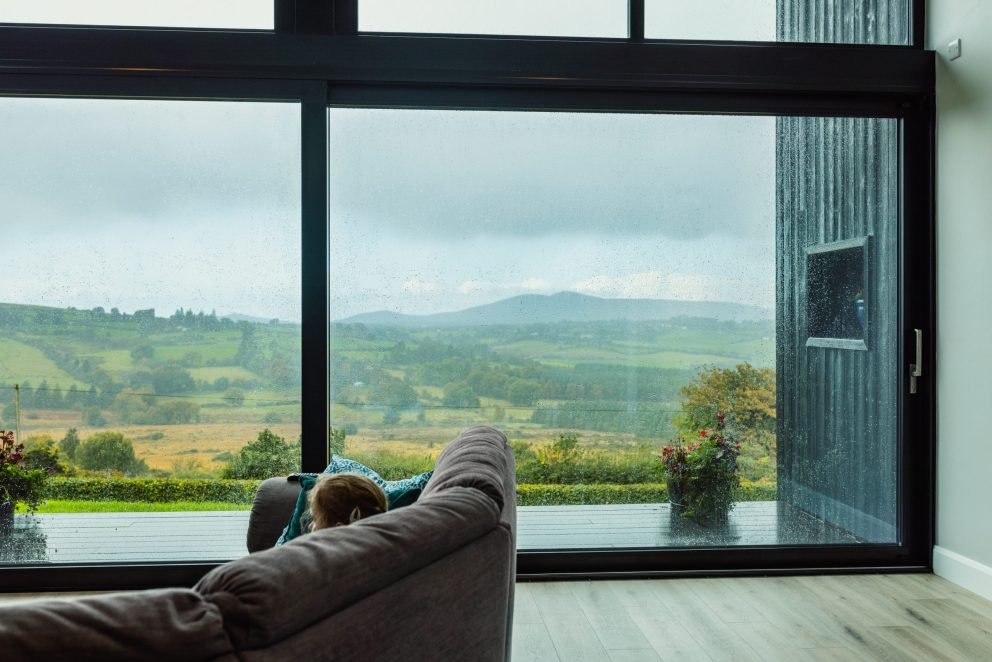
Second-story rooms can face significant exposure during severe weather because upper windows often receive stronger wind pressure and may be struck by wind-driven debris. Bedrooms, offices, and bonus rooms located above ground level can also be harder to protect quickly once dangerous weather approaches. Impact windows are designed to make the existing envelope more secure when exterior conditions become intense. Their construction combines reinforced frames with laminated glass intended to remain together after impact. For homeowners in storm-prone areas, this added protection can make upper-level spaces feel more prepared before severe weather arrives.
Where Protection Matters Most
- Elevated Windows Can Face Stronger Wind and Debris Exposure
One of the main reasons impact windows matter for second-story rooms is that elevated openings can be more directly exposed to strong winds. Trees, roofing materials, outdoor furniture, branches, and other loose objects can become airborne during severe storms, and upper windows may have fewer surrounding structures to shield them. Homeowners considering Miami impact windows by SafeGuard may want to strengthen these vulnerable openings without relying entirely on temporary exterior coverings before every major storm. Impact-resistant glass is designed so that, if the outer glass layer cracks, an internal interlayer helps hold fragments together rather than allowing the entire opening to fail immediately. That matters because once a window opening is breached, wind and rain can enter the home more freely. Keeping the opening more intact can help protect interior finishes, furnishings, and the people using second-story rooms, while also supporting the home’s overall integrity during severe weather
- Impact Glass Helps Reduce the Risk of a Fully Open Window Breach
Standard glass can break into an open gap when struck hard enough, allowing wind, rain, and debris to enter the room directly. Impact windows are constructed differently. Their laminated layers stay bonded even when the glass cracks, helping maintain a barrier across the opening—this matters especially upstairs, where broken windows may be harder to reach or temporarily cover during a storm. A second-story bedroom with a damaged standard window could quickly become exposed to water and debris while safe access to the exterior is limited. Impact windows provide more permanent protection that doesn’t depend on homeowners climbing ladders or installing panels shortly before bad weather. That matters for households that want storm preparation built into the property itself. While no window can make a home completely resistant to every severe-weather event, a stronger glazed opening can reduce one major point of vulnerability and help upper rooms remain better protected.
- Stronger Window Openings Can Help Protect the Building Envelope
Window protection during severe weather is not only about keeping broken glass out. Openings are part of the larger building envelope that separates indoor spaces from outdoor wind and rain. When a window fails, strong wind can enter the structure and create additional pressure inside the home. That pressure can place more stress on doors, roofing, and other exterior components. Impact windows help by strengthening one of the places where severe weather can otherwise gain direct access to the interior. This matters on second stories because those rooms often sit close to roof structures and may have several windows facing different wind directions. A coordinated approach to exterior protection helps the home respond more effectively than relying on one isolated upgrade. Impact-resistant windows can support that strategy by maintaining a stronger barrier across upper openings, reducing direct intrusion of rain and wind-driven debris, and helping the house stay more enclosed during the storm.
- Permanent Protection Can Simplify Severe-Weather Preparation
Another advantage of impact windows is that their protective function is already built into the window system. Homeowners do not need to retrieve shutters, store plywood, or climb to second-story openings each time severe weather threatens. This can make preparation much simpler, particularly for homes with multiple upstairs bedrooms or large elevated windows that are difficult to reach safely from outside. Permanent protection also keeps windows ready when storms develop quickly, or homeowners are away from the property. This matters because severe-weather preparation often includes many competing tasks, from securing outdoor items to checking emergency supplies and protecting vehicles, and reducing the need to cover upper windows physically lets homeowners focus on other priorities. Impact windows still require proper installation and ongoing inspection like other exterior components. Still, once installed correctly, they provide continuous resistance rather than protection that must be assembled before each event.
Better Upper-Level Protection Starts With Stronger Openings
Impact windows protect second-story rooms during severe weather by strengthening openings that may face intense wind, debris, and rain. Laminated glass can stay together after impact, reducing the chance that a broken window becomes a completely open entry point into the home. Stronger upper windows can also support the broader building envelope and reduce reliance on last-minute exterior coverings that may be difficult to install safely at height. For homeowners in storm-prone areas, permanent window protection can make severe-weather preparation more manageable while helping bedrooms, offices, and other second-story spaces remain better shielded during damaging conditions.
